How to Select a Reliable Manufacturer for Custom Power Adapter Solutions
Customizable power adapters power up your brand by delivering optimized electrical currents, eliminating global regulatory bottlenecks, and transforming basic utility hardware into a visually cohesive marketing asset that drives consumer loyalty.
Imagine your team of brilliant product designers standing in a state-of-the-art laboratory, celebrating the final assembly of your next-generation electronic device. But during the final hardware integration phase, frustration mounts as generic, off-the-shelf power accessories continuously overheat, fail under peak load cycles, and fail to pass strict electromagnetic interference checks. This is the costly, painful reality of using cheap, generic power units that threaten your product launch schedule and put your brand’s reputation on the line. Navigating these performance failures, volatile lead times, and complex international trade compliance rules demands a better strategy. The ideal solution is to partner directly with a specialized manufacturer to engineer a robust custom power adapter tailored precisely to your device’s unique physical and electrical specifications.
Why does your device need a custom power adapter?
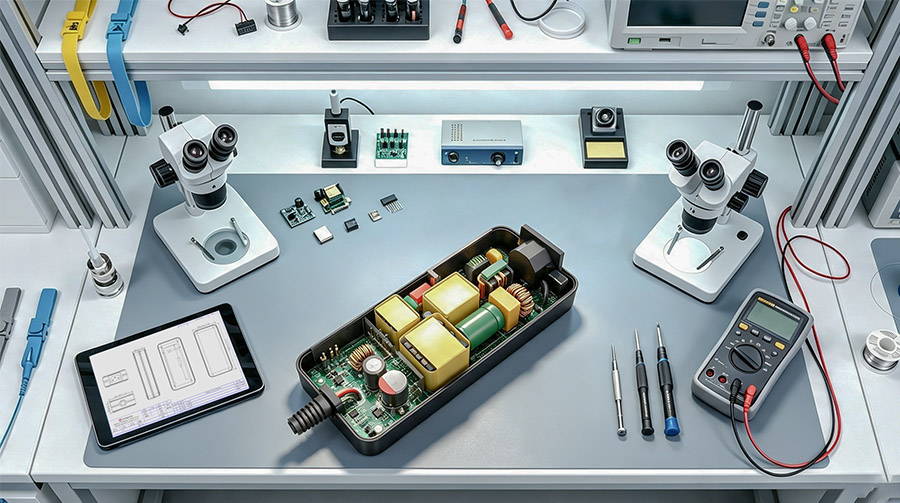
Your device needs a specialized electrical setup because off-the-shelf units rarely match the precise voltage fluctuations and footprint requirements of proprietary printed circuit boards. Utilizing a high-quality custom power adapter ensures your hardware receives stable energy while preventing premature component degradation. This tailored approach safeguards your sensitive electronics from over-voltage stress during active performance cycles.
Standard solutions often force you to compromise on physical and electrical design limits. Developing a tailored power supply unit allows your team to focus on core product innovation without worrying about compatibility bottlenecks.
Are off-the-shelf power supplies holding your project back?
Using generic adapters often introduces unnecessary friction during the hardware engineering process. They force you to adapt your product casing and power inputs to match what is readily available in the market.
Here is the thing: off-the-shelf units lack the precision required for high-performance processing chips.
-
Rigid voltage settings that degrade internal components over time.
-
Awkward physical footprints that disrupt your product layout.
-
Inconsistent electrical flows that trigger sudden system crashes.
How do tailored electrical specifications benefit your hardware?
Custom engineering resolves these electrical and mechanical limitations at the molecular level. Your manufacturing partner can calibrate the output parameters to match your exact duty cycles.
Think about it. Protecting your proprietary motherboard from thermal wear secures long-term device health and customer satisfaction.
Key Takeaway: Personalized electrical parameters prevent premature component failure and ensure your hardware functions flawlessly.
| Parameter | Standard Power Supplies | Custom Power Supplies |
|---|---|---|
| Voltage Tuning | Fixed generic output | Fine-tuned fractional voltage |
| Form Factor | Bulky, non-standard sizing | Compact, optimized footprint |
| Component Wear | Higher risk of heat degradation | Extended lifespan via custom duty matching |
Evaluating these core operational differences helps sourcing managers make informed decisions that protect downstream product reliability.
Can a custom power adapter simplify global safety compliance?
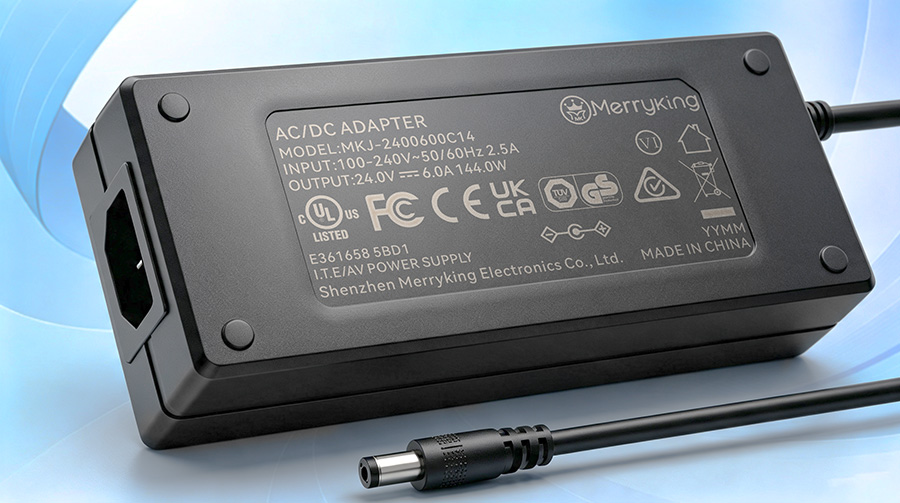
Yes, a specialized power supply simplifies compliance by embedding required regional safety markings directly into the initial manufacturing and certification process. Relying on a pre-certified custom power adapter allows your business to leverage transferable agency markings for faster international expansion. This systematic regulatory approach prevents unexpected delays at customs when shipping to strict jurisdictions.
Securing certifications like UL, CE, or FCC independently for finished hardware is highly expensive and time-consuming. Working with a compliance-ready manufacturing partner guarantees that your accessory complies with local efficiency standards right from day one.
What safety marks are critical for global distribution?
Selling electronic goods internationally means you must obtain region-specific safety marks before legal distribution. Navigating these overlapping certifications without an experienced partner is incredibly risky.
But that is not all. Each export territory requires localized safety tests:
-
UL and FCC for North American market entry.
-
CE and UKCA for European commercial expansion.
-
PSE, KC, and SAA for Asian and Oceanian territories.
How do transferable safety markings save your B2B project budget?
Using transferable safety credentials allows your company to bypass redundant testing costs entirely. Your team can use the factory’s existing file numbers under your own brand name.
In other words: you save thousands of dollars and bypass months of typical testing delays.
Key Takeaway: Reusing established safety certifications accelerates global market entry while keeping compliance budgets highly optimized.
| Market Region | Essential Certification Mark | Strategic Advantage |
|---|---|---|
| North America | UL / FCC | Pre-approved access to US and Canadian retail channels |
| European Union | CE | Direct compliance with strict EU safety and EMI rules |
| United Kingdom | UKCA | Legally compliant entry into the post-Brexit British market |
Leveraging these pre-approved global certification templates streamlines international logistics and minimizes regulatory launch bottlenecks.
How do you optimize circuit safety with a custom power adapter?

You can optimize circuit safety by fine-tuning the internal electrical pathways, heat dissipation, and electromagnetic shielding parameters inside the power supply housing. Choosing a custom power adapter allows your engineers to specify advanced over-current protection limits tailored to your board’s maximum thermal threshold. This prevents critical system resets and safeguards sensitive processing units from localized power surges.
Standard converters often generate excessive heat because they are not calibrated to your device’s exact power draws. Precision internal board layouts optimize passive cooling structures to maintain low operating temperatures under continuous use.
Why does precise output tuning prevent device failure?
Delicate microprocessors require highly stable voltages to run complex calculations without data corruption. When generic converters fluctuate, they trigger system resets and overheat internal copper traces.
But that is not all. Exact tuning guarantees a flat power delivery curve under heavy operational stresses:
-
Minimized ripple voltage to prevent chip instability.
-
Stable current flow matching peak demand states.
-
Reduced electromagnetic noise that interferes with wireless signals.
How does active thermal management secure your circuitry?
Proper board layout and fire-retardant housing materials disperse thermal energy outward efficiently. Designing optimized circuit spacing prevents localized hot spots inside the power supply.
Think about it. A cooler operating system translates directly to longer physical lifespans for all connected components.
Key Takeaway: Calibrated heat dispersion within customized adapter casings ensures stable device operation even in extreme workplace conditions.
| Safety Mechanism | Design Feature | Operational Target |
|---|---|---|
| Ripple Control | Custom smoothing capacitors | Eliminates micro-voltage spikes on processing chips |
| Over-current Guard | Dynamic fuse integration | Cuts power instantly during downstream system shorts |
| Heat Dissipation | Spaced PCB & cooling vents | Limits operating temperature to safe industrial ranges |
Integrating these advanced circuit protections directly into your power accessory secures the ultimate safety net for your primary hardware.
Who should design your company’s next custom power adapter?

Your company’s next power solution should be engineered by an experienced, certified manufacturing partner that understands both your product’s technical specifications and global trade requirements. Selecting a factory with proven expertise in custom power adapter fabrication ensures that physical assembly lines run smoothly without design errors. This direct-to-factory relationship eliminates costly communication gaps often experienced with third-party brokers.
Designing reliable power hardware requires deep mastery of electrical topology, thermal dynamics, and plastic molding. Collaborating directly with factory engineers ensures that every prototype matches your exact performance expectations before mass assembly begins.
Why choose direct factory engineers over brokers?
Brokers add transactional markups and often fail to translate highly complex technical specifications accurately to the factory floor. Working directly with factory engineers gives you clear communication and precise prototype development.
Here is the thing: direct access to engineers guarantees that design modifications are completed quickly.
-
Direct technical communication without third-party delay.
-
Accurate implementation of complex electrical boards.
-
Full transparency regarding material costs and tooling fees.
How does prototype testing validate your project requirements?
Your manufacturing partner must generate functional samples for physical laboratory testing before mass production. This validation stage allows your engineering team to verify exact parameter matches in real-world environments.
In other words: you eliminate expensive manufacturing defects long before mass tooling begins.
Key Takeaway: Partnering directly with factory engineering experts ensures your prototype specifications translate flawlessly to the finished production batch.
| Design Stage | Collaboration Benefit | Expected Outcome |
|---|---|---|
| Engineering Review | Direct feedback on circuit schematics | Optimization of manufacturing efficiency and cost |
| Prototyping | Real-world sampling within days | Rapid validation of performance and physical fit |
| Mass Production | Unified factory quality tracking | Zero deviation between approved sample and final units |
Choosing direct factory collaboration remains the most effective strategy to secure stable lead times and keep engineering standards high.
Where should you deploy a compact custom power adapter?

You should deploy compact wall-plug units in space-constrained smart home setups, internet-of-things hubs, and premium consumer electronics installations where bulky power bricks are unacceptable. Using a slim custom power adapter keeps neighboring wall sockets completely free for end-users. This physical space efficiency directly boosts consumer satisfaction and improves the physical placement flexibility of your primary hardware.
Bulky, generic power accessories block adjacent wall outlets and create unnecessary clutter in modern living spaces. Designing a sleek, low-profile plug accessory integrates your brand effortlessly into the modern home.
Why is compact plug sizing critical for modern smart homes?
Modern smart homes are crowded with smart plugs, lighting controllers, and voice assistants that compete for limited outlet spaces. When you design a bulky charger, users are forced to choose between devices.
But that is not all. Compact plug designs resolve these spacing limitations elegantly:
-
Vertical casing profiles that leave adjacent sockets open.
-
Reduced physical weight to prevent the plug from sagging.
-
Low-profile depths that fit easily behind household furniture.
How does space efficiency improve consumer user experience?
Consumers love sleek accessories that complement their high-end modern devices rather than cluttering their living areas. A carefully shaped plug becomes an invisible, highly functional asset in their home.
Think about it. Sleek physical integration makes your product feel like a premium, cohesive tech ecosystem.
Key Takeaway: Space-saving plug footprints keep users happy by ensuring clean wall installations and continuous electrical performance.
| Device Category | Power Challenge | Compact Adapter Solution |
|---|---|---|
| IoT Sensors | Installed in cramped or hidden corners | Low-profile cases that slide behind cabinets |
| Smart Home Hubs | Continuous operation on shared outlets | Slim vertical bodies that do not block dual ports |
| Security Cameras | Exposed outdoor or high-wall mounts | Lightweight housings that resist gravity pull |
Evaluating these physical layout constraints during early development prevents consumer frustration and maximizes hardware versatility.
How does a custom power adapter elevate visual brand equity?
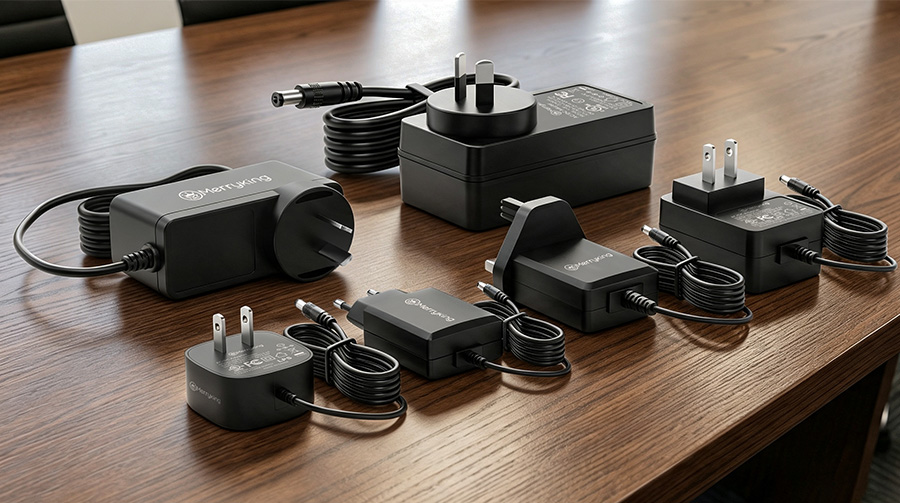
It elevates your brand equity by turning an often-ignored utility brick into a visually matching, logo-branded extension of your main product line. Incorporating your corporate aesthetic onto a custom power adapter ensures that customers experience premium quality during every daily interaction. This consistent design language builds high brand recall and reinforces your attention to detail.
Generic black chargers detract from the aesthetic value of carefully designed electronic devices. Customizing housing colors, textures, and engraving logos transforms basic hardware into a powerful promotional asset.
Why match plastic case colors with your main hardware?
Mismatched generic chargers degrade the perceived value of premium electronics instantly. Matching case colors via precise Pantone coding ensures the power accessory looks like a native component.
Here is the thing: uniform color palettes build stronger consumer trust and enhance product presentation.
-
Accurate color integration using official Pantone codes.
-
Premium physical textures that match the main product finish.
-
Harmonized visual styling across your entire product family.
How does durable laser etching protect your brand identity?
Unlike cheap paper stickers that tear off over time, laser etching permanently engraves your logo directly into the polymer housing. This durable branding ensures your identity remains crisp and visible for years.
In other words: every time a customer plugs in your device, your brand identity is reinforced.
Key Takeaway: Tailored styling options turn vital power hardware into a high-visibility marketing asset that elevates your overall brand equity.
| Branding Technique | Primary Benefit | Durability Rating |
|---|---|---|
| Pantone Customization | Eliminates visual mismatch with main hardware | Permanent (integral polymer color) |
| Laser Etching | High-precision permanent logo application | High (impervious to oils and physical wear) |
| Silk Screen Printing | Allows multi-color logo display on housing | Moderate (designed for standard office wear) |
Utilizing these aesthetic options guarantees that your power accessories represent your company with absolute professional precision.
Which connector types optimize your custom power adapter?
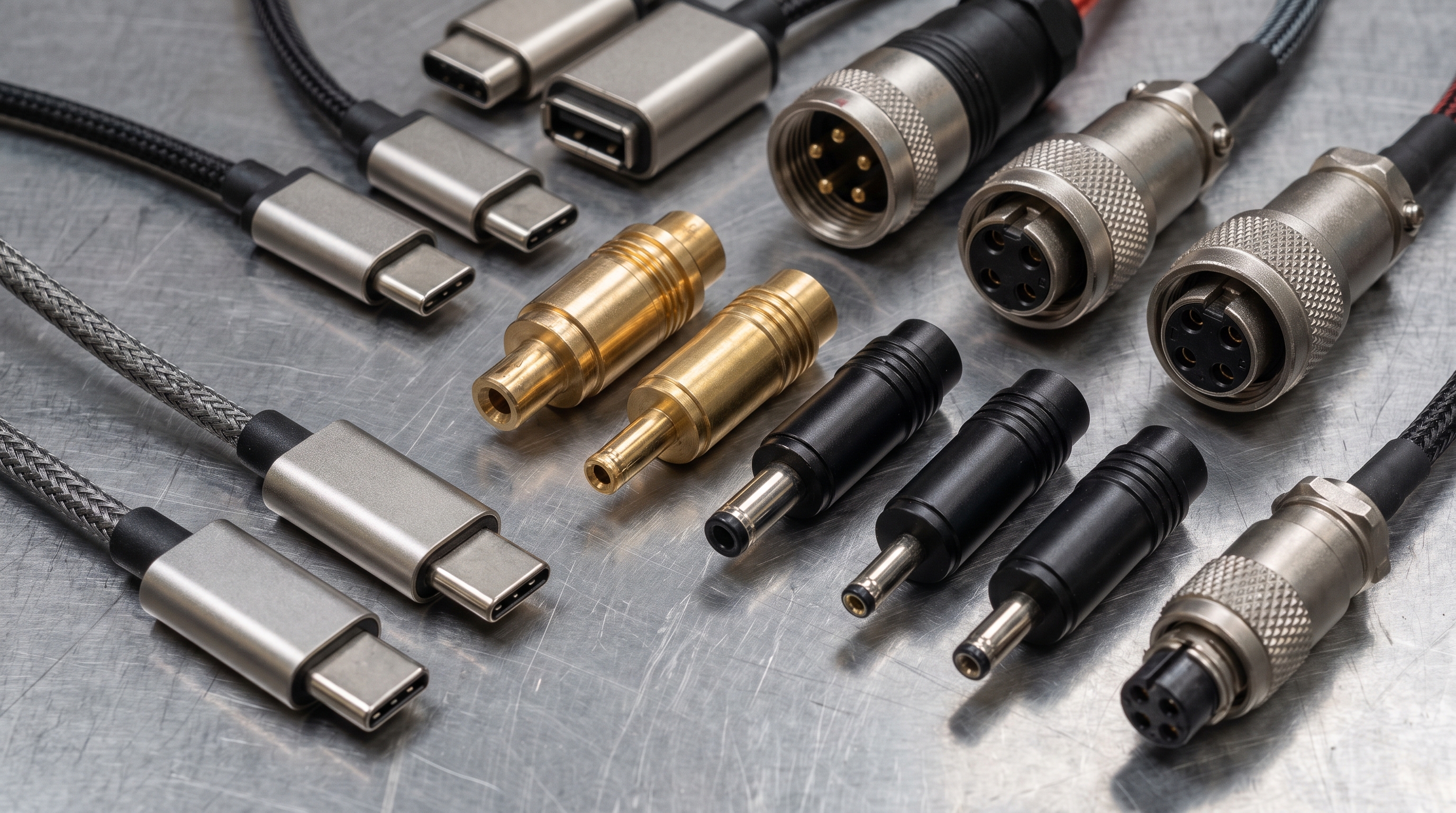
The ideal connector types are heavy-duty barrel plugs, EIAJ locking tips, or USB Type-C connections selected specifically to match your device’s interface and physical deployment environment. Specifying a custom power adapter with specialized connecting tips prevents loose contacts and accidental power disconnections in the field. This mechanical precision secures stable power delivery even under severe physical movement.
Off-the-shelf plugs frequently fail due to poor manufacturing tolerances or mismatched contact materials. Customizing the output connector guarantees a snug, durable fit that withstands thousands of connection cycles.
What barrel and USB-C options match your device?
Selecting the correct physical tip is essential to prevent continuous power interruptions and physical connection damage over time. From standard barrel jacks to high-current USB-C, the physical plug defines daily usability.
But that is not all. A tailored connector configuration secures absolute physical locking:
-
Barrel plugs with custom internal pin diameters.
-
USB-C connections with specialized power negotiation chips.
-
Locking connectors that prevent accidental pull-outs.
Why does pure copper wiring matter for stable voltage delivery?
Thin, cheap alloy wires generate massive resistance and trigger major voltage drops over standard cord lengths. Sizing the copper wire gauge correctly ensures clean, efficient power delivery.
Think about it. Pure copper wiring maximizes energy efficiency and limits power loss under continuous heavy loads.
Key Takeaway: Specifying heavy-duty pure copper wiring and the perfect connector ensures stable power transmission and absolute operational safety.
| Connector Standard | Primary Application | Key Design Advantage |
|---|---|---|
| Custom Barrel Jack | Dedicated consumer and B2B hardware | Low manufacturing cost with secure connection tolerances |
| USB Type-C | Modern smart devices and data hubs | Universal user convenience with high-power delivery options |
| Locking DC Pin | Industrial and medical environments | Prevents physical disconnections under high-stress motion |
Selecting optimized cabling specifications prevents voltage drops and ensures your hardware receives the clean energy it demands.
How do testing chambers validate a custom power adapter?
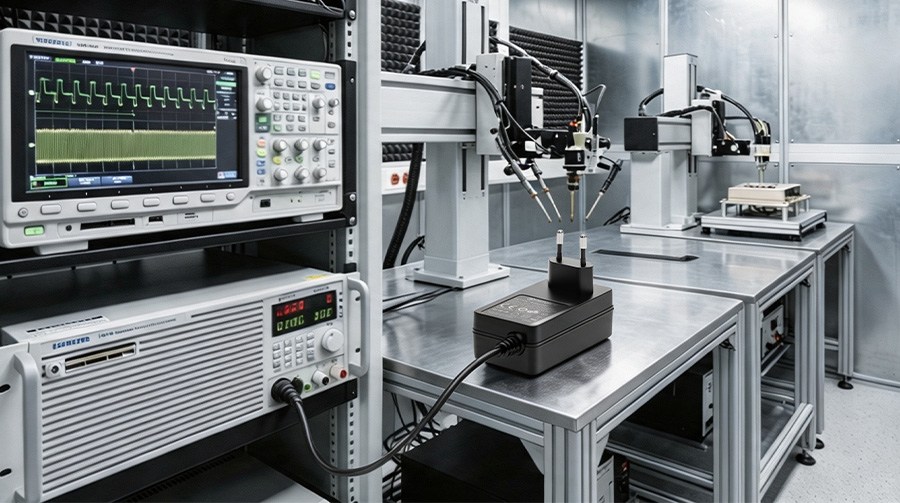
Advanced testing chambers validate power supplies by subjecting them to simulated thermal stress, electromagnetic interference tests, and continuous full-load electrical cycles. Running a custom power adapter through these strict laboratory protocols ensures that early component failures are identified before mass shipment. This meticulous verification protects your brand from costly field recalls and product warranty claims.
Environmental chambers test structural and electrical integrity in extreme humidity and high-temperature environments. Comprehensive diagnostic sweeps verify that output ripple voltages remain well within safe limits.
How do thermal burn-in chambers eliminate early failure?
Weak electrical components typically fail within the first few hours of continuous operation under heavy load. Running every unit through high-temperature burn-in trials allows the factory to identify defects before packaging.
Here is the thing: automated testing screens out weak parts systematically.
-
Four-hour burn-in cycles at maximum operating temperature.
-
Continuous automated monitoring of output current stability.
-
Isolation of defective units before final bulk packaging.
Why are electromagnetic compatibility sweeps essential?
Power supplies must not leak electromagnetic noise that could disrupt nearby communications or local wireless signals. Performing complete EMC diagnostic sweeps guarantees that your hardware complies with strict international EMI guidelines.
In other words: you protect your equipment and neighboring electronics from wireless interference.
Key Takeaway: Rigorous laboratory validation ensures every production batch performs exactly as safely as the initial certified prototype.
| Test Procedure | Testing Metric | Ultimate Quality Target |
|---|---|---|
| Burn-in Aging | 4-hour thermal load stress | weeding out early component infants before shipping |
| EMC Diagnostics | Radio-frequency emission sweeps | Guarantees compliance with strict FCC Part 15 regulations |
| Drop Testing | Multiple impacts on solid concrete | Verifies structural casing strength under rough user handling |
Executing these exhaustive validation steps protects your customer supply chain from unexpected failures and costly warranty claims.
Which strain relief options protect your custom power adapter?
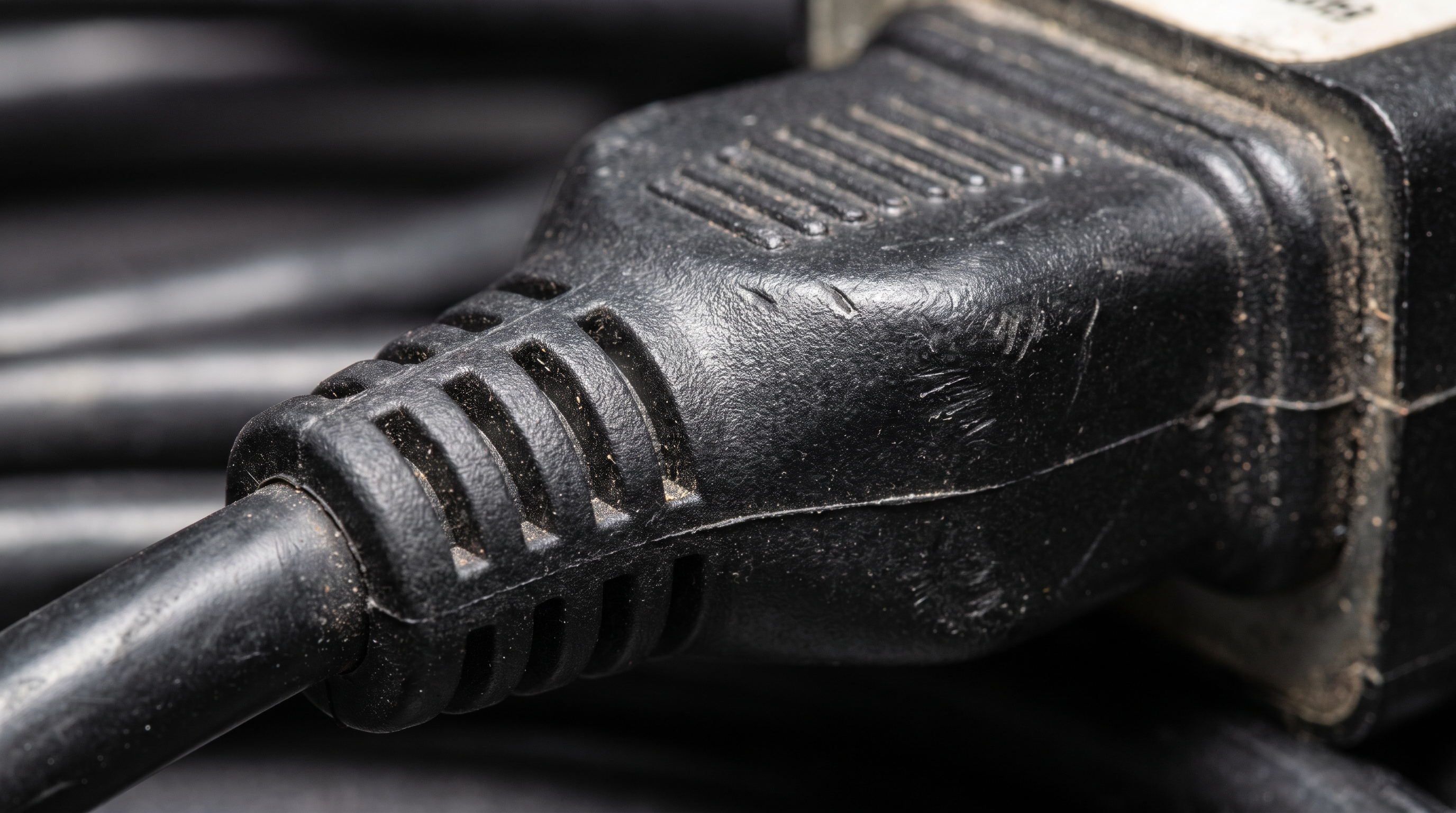
Heavy-duty molded rubber grommets and reinforced thick cable jackets are the most effective strain relief options to protect your power supply cord from internal wire breakage. Equipping your custom power adapter with specialized joint protection prevents structural failure at high-stress bending points near the housing. This physical durability directly extends the operational life of your entire hardware package.
Frequent bending and pulling on power cords is the leading cause of consumer charger failures. Adding custom-designed, long-tapered strain reliefs ensures the copper wiring inside remains fully intact.
How do heavy-duty strain relief joints extend cord life?
Cables are regularly pulled, stepped on, and bent at sharp angles by everyday users in busy environments. Without a robust joint protector, the copper strands inside will fray and eventually short-circuit.
But that is not all. Customized strain relief designs absorb physical stresses directly:
-
Tapered flexible profiles that distribute bending forces.
-
Thick, high-quality rubber polymers that resist tearing.
-
Deep molded integration with the adapter case.
What wire jacket materials survive harsh industrial use?
Industrial and medical workplaces require highly durable materials that resist oils, chemicals, and continuous physical abrasion. Upgrading to heavy-duty PVC or polyurethane insulation jackets keeps the power cord flexible and fully intact.
Think about it. A durable, tear-resistant outer cord prevents exposed wires and guarantees long-term workplace safety.
Key Takeaway: Investing in optimized strain reliefs and high-durability wire jackets prevents the most common physical failures in power hardware.
| Durability Feature | Engineering Material | Primary Protection Benefit |
|---|---|---|
| Flexible Strain Relief | Heavy-duty molded rubber | Prevents copper strands from snapping during sharp pulls |
| Reinforced Jacket | Premium flame-retardant PVC | Resists deep physical scuffs and chemical spills |
| Thick Wire Core | 18 AWG pure copper | Lowers electrical resistance and enhances physical tensile strength |
Focusing on these simple physical reinforcements keeps your power accessories operational in even the most punishing industrial settings.
Why does a premium device require a custom power adapter?
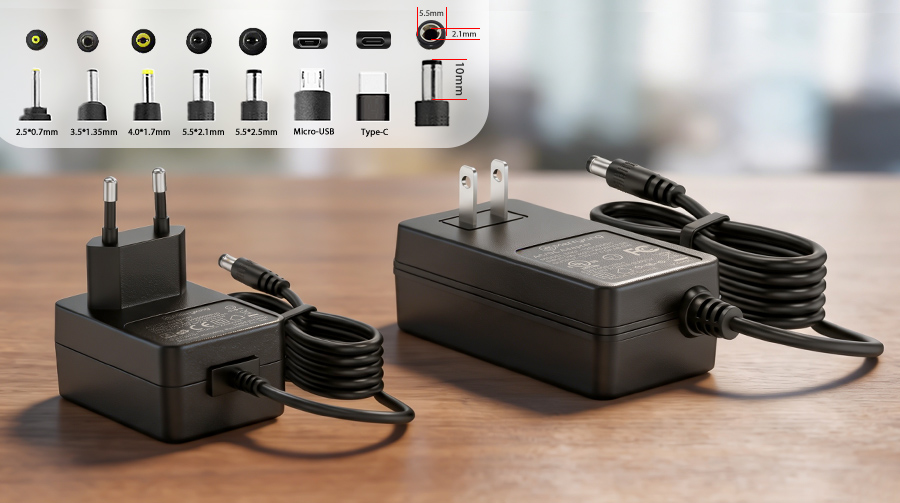
A premium device requires a custom power accessory to ensure absolute electrical stability, seamless physical integration, and a high-end customer unboxing experience that matches your brand’s elite market position. Standard chargers look cheap and can introduce electrical noise that compromises the high-performance capabilities of your premium system, whereas a custom power adapter guarantees a perfect, high-tier match. This unified presentation drives stronger customer loyalty and justifies premium pricing.
High-end B2B hardware demands absolute reliability to prevent costly business interruptions. Engineering a tailored power supply protects your reputation and guarantees a superior user experience.
Why do premium devices reject cheap power accessories?
High-end B2B and medical hardware demand absolute reliability to protect critical business processes and sensitive patient data. Bundling a generic, low-grade charger with premium hardware instantly ruins your brand’s market position.
Here is the thing: cheap adapters introduce high electrical noise that compromises the accuracy of high-resolution sensors.
-
Excessive high-frequency noise that disrupts sensitive circuits.
-
Cheap plastic cases that crack easily under minor impact.
-
Unstable power outputs that lead to unexpected system errors.
How does direct B2B sourcing protect your supply chain?
Establishing a direct-to-factory supply channel removes volatile middlemen and guarantees batch-to-batch quality consistency. Your partner schedules your manufacturing runs months in advance to guarantee your assembly lines never stop.
In other words: you secure highly predictable shipping dates and protect your long-term retail agreements.
Key Takeaway: Direct factory partnerships lower total cost of ownership while protecting your premium hardware’s reputation and supply chain stability.
| Supply Metric | Broker/Trading Channel | Direct Factory Channel |
|---|---|---|
| Batch Consistency | Variable (often sources from multiple workshops) | Identical (manufactured on unified production lines) |
| Cost Transparency | Hidden markups and shifting commissions | Direct tier-based pricing with predictable scaling |
| Lead Time Security | Volatile (subject to broker communication delays) | Stable (backed by dual-factory scheduling priority) |
Securing a direct relationship with a trusted manufacturer remains the ultimate strategic decision for premium hardware brands worldwide.
Conclusion
Transitioning to a custom power system resolves critical B2B hardware issues like batch inconsistency, non-transferable certifications, and delayed product launches. By choosing an expert OEM/ODM partner, your brand guarantees safe, reliable, and visually cohesive power hardware that integrates seamlessly into your product ecosystem. Ready to power up your brand’s global growth? To begin designing your tailored power supply, contact us today and let our engineering team bring your exact specifications to life.
Frequently Asked Questions
Can I customize the logo and case color of my custom power adapter?
Yes, you can. Full physical branding and aesthetic customization are fully supported, allowing your team to match Pantone swatches for the housing and use durable pad printing or laser etching to apply your company logo directly to the casing.
What’s the best way to handle global safety certifications?
Working with a certified partner is the best approach. Sourcing pre-certified adapters with transferable agency markings allows you to leverage existing test reports for UL, CE, and FCC, accelerating your market entry without paying for expensive redundant evaluations.
How do I know if my device requires a wall-mount or a desktop adapter?
Analyzing your product’s maximum wattage draw and targeted operational environment is how you know. Wall-mount formats are ideal for compact, lower-wattage consumer IoT devices up to 72W, while desktop power supplies are best suited for high-wattage networking or industrial equipment up to 600W.
Can I request a small pilot batch before committing to a mass-production run?
Yes, you can. Starting with an initial trial run of 100 to 500 units helps validate quality and electrical compatibility before high-volume manufacturing, and we offer flexible minimum order quantities to support your initial market testing phases.